1. Premessa
Traent Srl (di seguito Traent o la Società) è una società tecnologica italiana che sviluppa soluzioni innovative per la gestione sicura, trasparente e verificabile dei dati nel settore immobiliare, attraverso l’integrazione di blockchain, intelligenza artificiale e infrastrutture digitali avanzate.
La missione di Traent è trasformare gli asset immobiliari in valore affidabile e scambiabile, creando un ecosistema digitale che garantisca fiducia sistemica, automazione end-to-end, interoperabilità senza limiti e conformità normativa.
La visione di Traent si fonda su tre pilastri:
- Innovazione, per sviluppare tecnologie che semplificano i processi e generano valore;
- Trasparenza, per assicurare tracciabilità e verificabilità delle informazioni in ogni interazione;
- Responsabilità, per operare nel rispetto delle normative, della sostenibilità e degli interessi di tutti gli stakeholder.
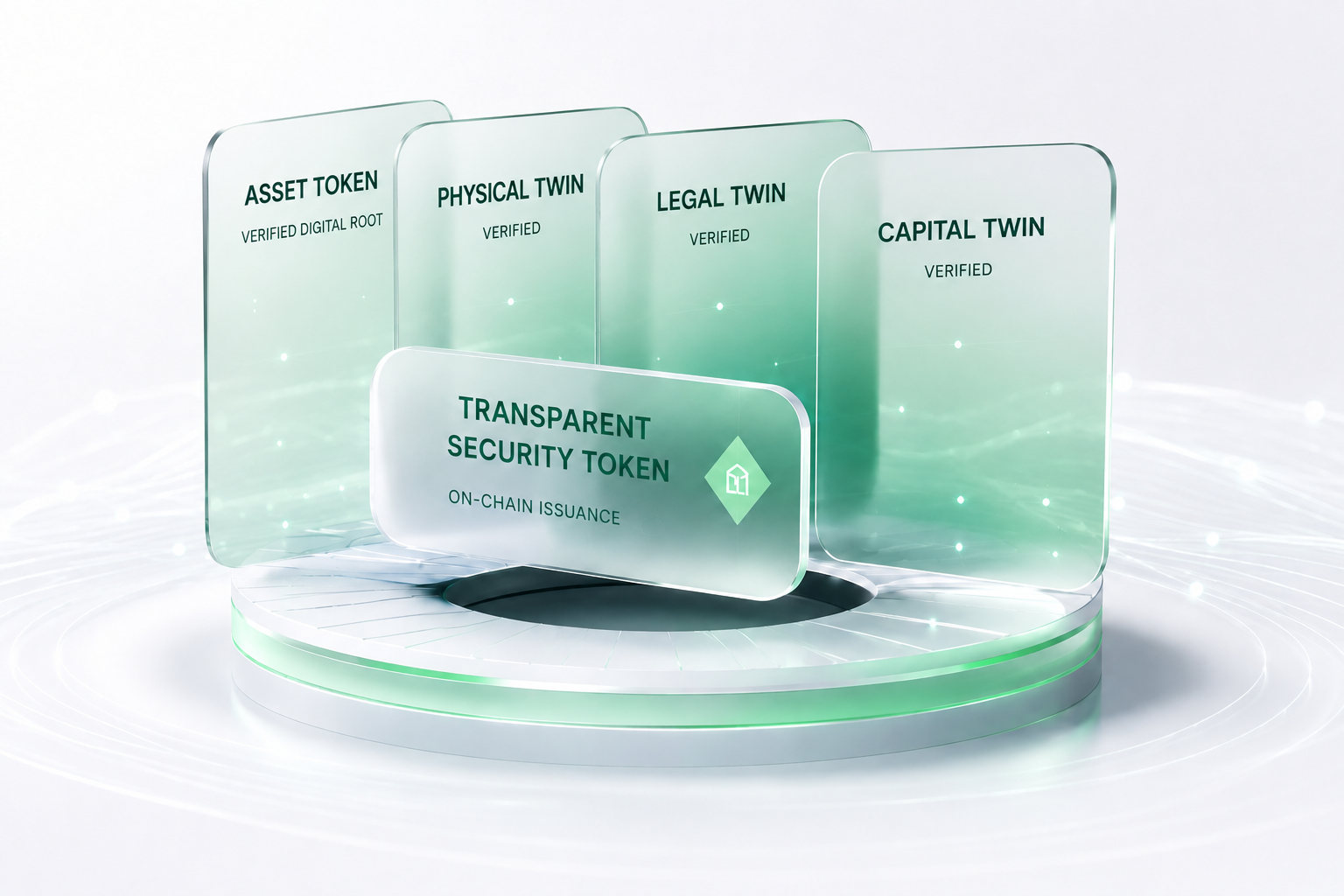
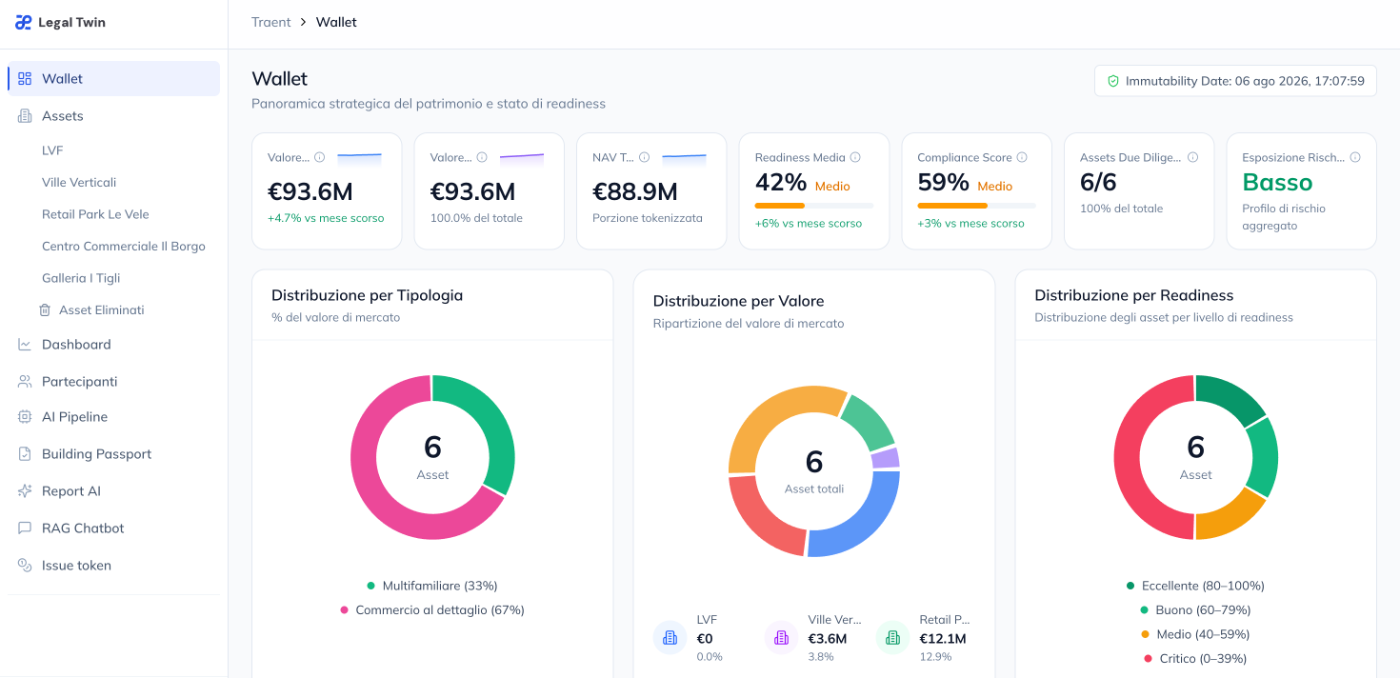
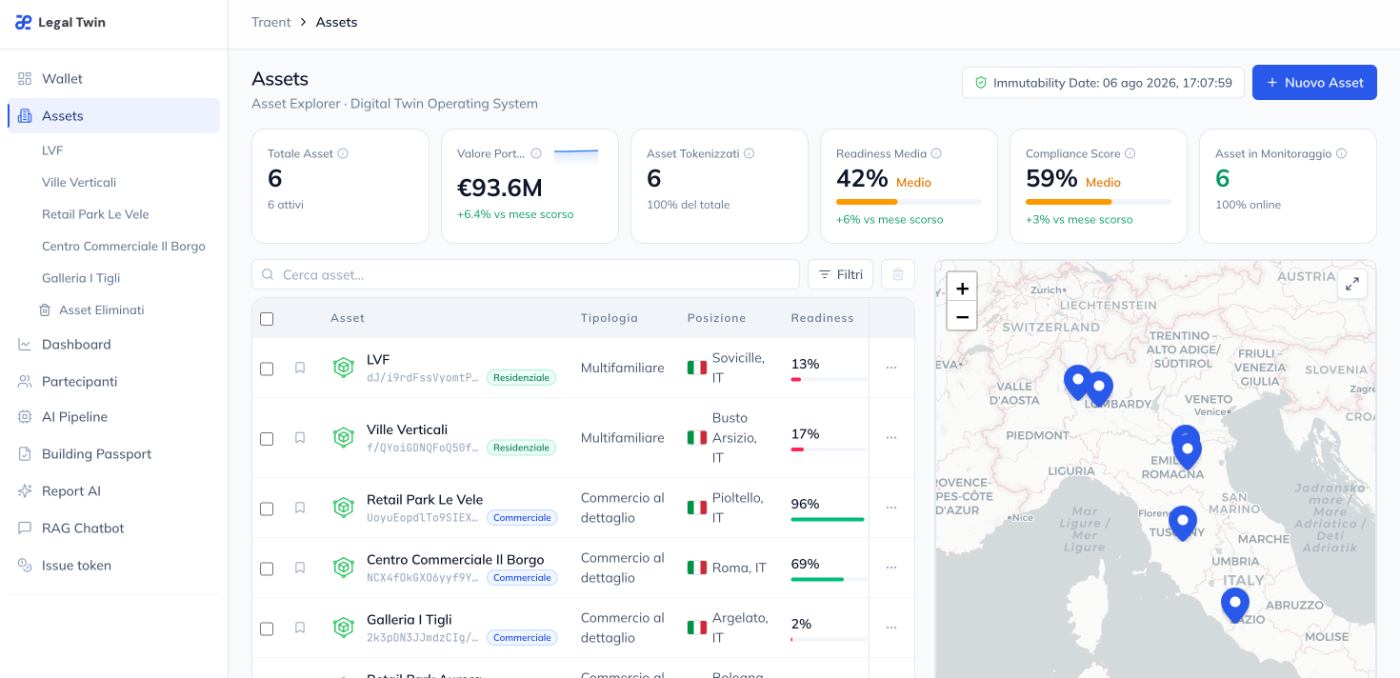
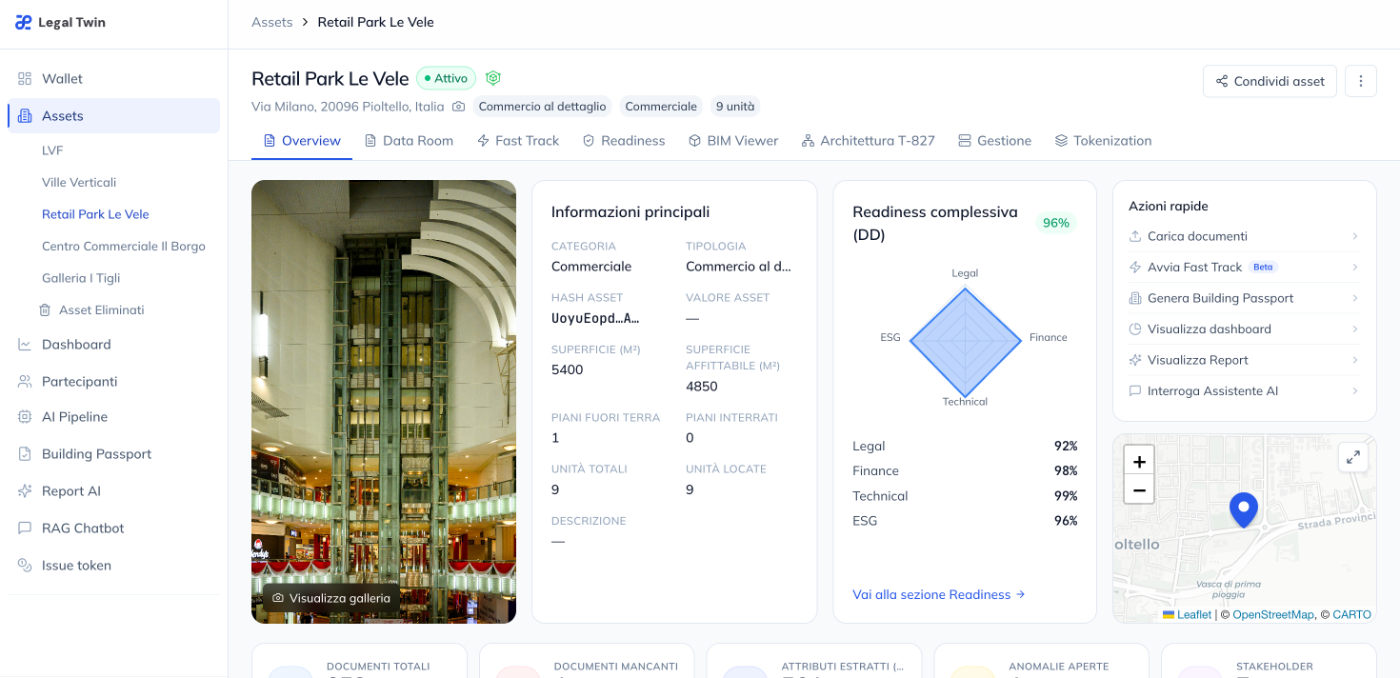
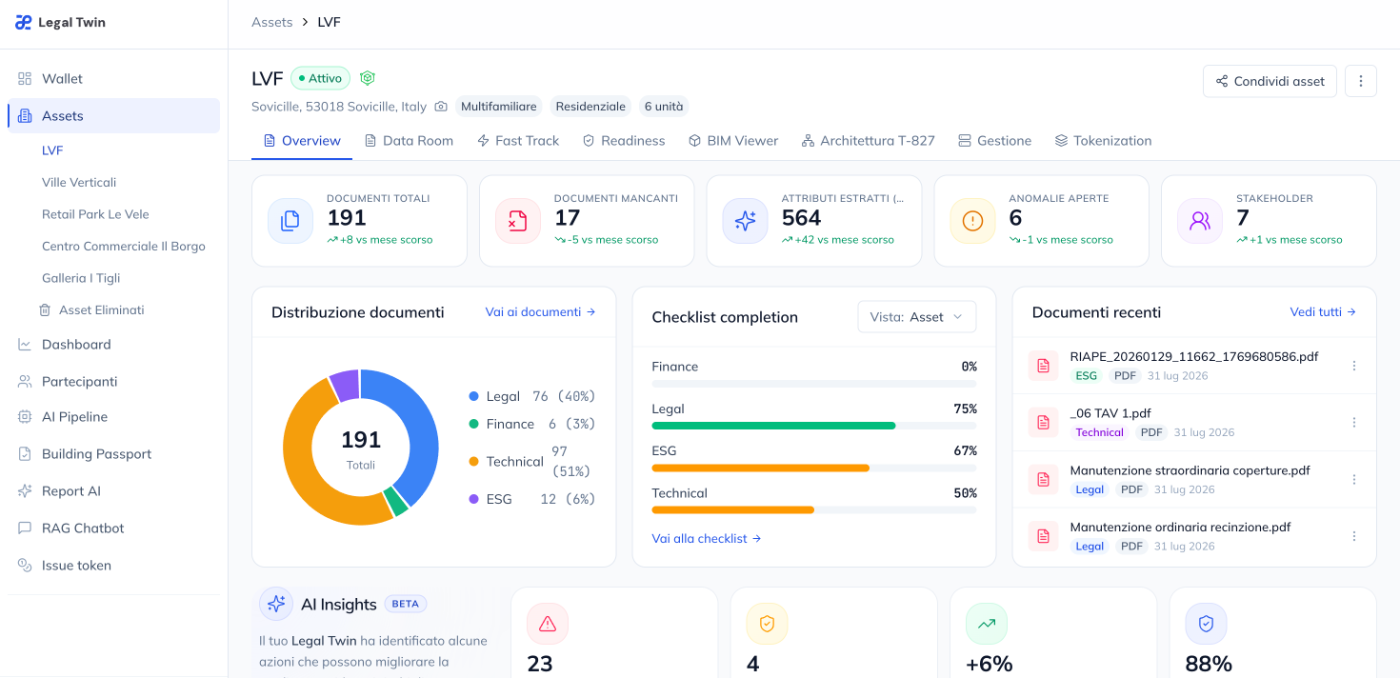
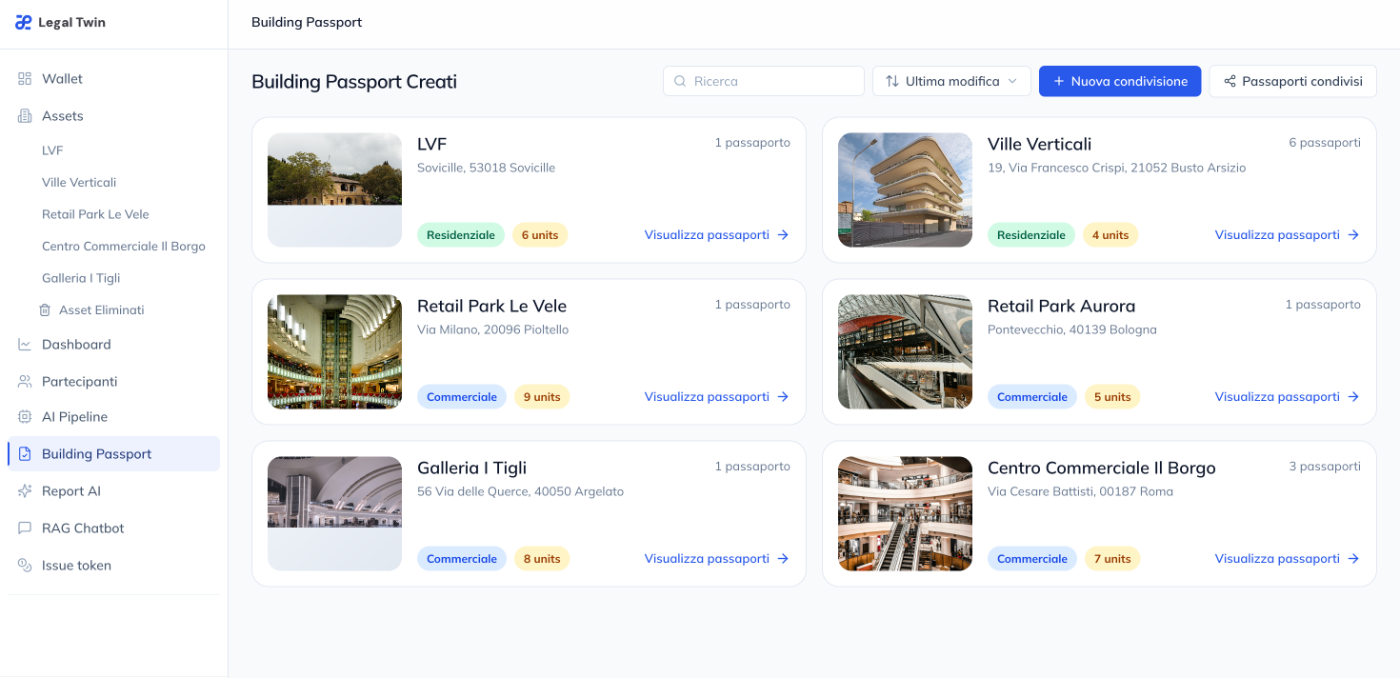
Grazie alla piattaforma TwinTrust, al Vault Blockchain Lake, al Building Passport e ai processi di tokenizzazione, Traent abilita la gestione dinamica e sicura degli immobili, assicurando integrità dei dati, riduzione dei rischi e trasparenza nelle transazioni.
L’azienda promuove pratiche responsabili e processi disciplinati che tutelano la privacy, la sicurezza e il valore degli asset nel tempo, in linea con i principi ESG e con l’Agenda 2030.
Traent considera le risorse umane un elemento fondamentale per la competitività e si impegna a tutelarne e promuoverne il valore, rispettando al contempo le convinzioni morali e personali di ciascun individuo.
L'attività di Traent è fondata su principi di dedizione e innovazione, con l'obiettivo di raggiungere l'eccellenza, valorizzare le competenze consolidate e promuovere un continuo processo di ricerca e sviluppo.
La gestione dell’impresa è orientata alla soddisfazione dei clienti, alla crescita professionale dei dipendenti e dei collaboratori e alla creazione di valore per tutti gli stakeholder. Il successo di Traent è dovuto ad aspetti come la fidelizzazione dei clienti e una forte attrazione di risorse sia umane che finanziarie.
L’armonia di intenti e di comportamenti da parte di tutti i soggetti coinvolti nella Società, in linea con un rigoroso rispetto delle leggi in vigore e dell’insieme di principi etici applicati alle decisioni aziendali e alle azioni quotidiane, consente la piena realizzazione di quanto sopra.
Traent ha intrapreso il percorso verso l’integrazione delle pratiche sostenibili nel proprio modello di business e la realizzazione di un Sistema di gestione della sostenibilità.
La Società si propone, pertanto, di gestire in modo proattivo gli effetti positivi e/o negativi che il proprio business esercita sugli aspetti ambientali, sociali e di governance (ESG). Intende inoltre rispondere alle richieste degli stakeholder e coinvolgerli nello sviluppo del percorso di sostenibilità, con l'obiettivo di generare valore durevole e condiviso.
2. Ambito di applicazione e destinatari
Traent adotta il presente Codice Etico e di Condotta (nel seguito abbreviato anche “Codice”) come espressione sintetica e coerente dei principi generali in termini di integrità morale, correttezza e trasparenza; tali principi rappresentano un presupposto indispensabile per lo svolgimento delle attività di Traent ed orientano le attività della organizzazione finalizzate al raggiungimento degli obiettivi aziendali.
Nello specifico, il presente Codice:
- indica le regole di comportamento, nei rapporti con gli operatori esterni, i collaboratori, il mercato e l’ambiente, alle quali Traent si attiene nello svolgimento delle attività quotidiane, esigendone il rispetto da parte di tutti gli operatori coinvolti;
- contribuisce allo sviluppo sostenibile in linea con l’Agenda 2030 e le normative vigenti.
Questo documento è un richiamo condiviso a principi etici di base nella conduzione quotidiana del lavoro e viene diffuso e condiviso con ogni operatore in modo che ciascuno, in relazione al ruolo ricoperto e alla sua operatività, possa orientare la propria attività al rispetto di tali principi.
Il presente Codice è approvato dal Consiglio di amministrazione di Traent Srl e rappresenta, pertanto, uno strumento ufficiale da utilizzare come riferimento per assicurare uniformità di comportamento e di trattamento e per individuare comportamenti scorretti passibili di sanzioni disciplinari.
Il Regolamento è portato a conoscenza di tutti i soggetti interessati (integralmente o nelle sole parti applicabili, a seconda dei casi) con modalità consone allo scopo ed è comunque disponibile sul sito internet aziendale www.traent.com
Il Regolamento non ha limiti temporali di validità e potrà essere modificato dal Consiglio di Amministrazione in qualsiasi momento e per qualsivoglia motivo, tenendo conto anche dell’esperienza acquisita con la sua applicazione e del contributo ricevuto da dipendenti, collaboratori ed enti terzi.
Il presente Codice troverà applicazione presso ogni sede e dislocazione di servizio, nazionale od estera, negli uffici interni e/o esterni di Traent.
Ciascun socio, dipendente e collaboratore di Traent sono tenuti all’osservanza delle norme contenute nel presente Codice, nonché al rispetto delle disposizioni direttamente impartite dagli amministratori della Società e da ogni altro superiore gerarchico da questi autorizzato e/o delegato. Per tutto quanto qui non previsto, si rinvia al CCNL vigente e, in genere, alla normativa valida in materia di lavoro, sicurezza e privacy.
L’inosservanza delle norme del presente documento o qualsiasi altra inosservanza dei doveri da parte del personale dipendente, e/o trasgressione alle norme del CCNL, comporterà l’applicazione dei provvedimenti disciplinari previsti dal CCNL applicato e attualmente in vigore, il cui testo integrale è a disposizione degli interessati presso la Direzione.
3. Rapporti con dipendenti/collaboratori ed enti terzi
a. Selezione di dipendenti/collaboratori e rapporti con enti terzi
Il principio in base al quale Traent effettua la selezione del personale è unicamente fondato sulla corrispondenza dei profili dei candidati rispetto a quelli attesi e alle esigenze aziendali, improntato alla massima trasparenza, indipendenza da pregiudizi e discriminazioni (fatte salve comprovate motivazioni operative), secondo criteri il più possibile oggettivi, in cui l’aspetto economico non costituisce un aspetto prioritario: condivisione dei principi etici, professionalità, livello di istruzione, esperienza, capacità organizzativa e relazionale, conoscenza delle lingue straniere sono solo alcuni degli aspetti che vengono presi in considerazione all’atto della selezione.
Le informazioni richieste e valutate sono strettamente correlate alla verifica degli elementi professionali e psicoattitudinali nel rispetto delle norme sulla privacy in vigore.
Tutti i contratti di lavoro, di qualsiasi natura essi siano, vengono sottoscritti nel rispetto della normativa vigente in materia fornendo ai lavoratori copia integrale del contratto o, alternativamente, fornendo le modalità per scaricarlo liberamente da internet.
A tutti i dipendenti vengono garantite uguali possibilità di crescita e carriera nell’ambito delle rispettive specializzazioni e mansioni senza discriminazione alcuna; la formazione interna è generalmente effettuata mediante affiancamento a personale più esperto, attivando i percorsi di crescita più consoni a seconda dei casi.
Traent ripudia ogni sorta di corruzione, lavoro minorile o lavoro forzato; allo stesso modo, in nessun caso la Società promuove l’adozione di forme di clientelismo e/o nepotismo nella selezione del personale.
L’accesso a ruoli operativi e responsabilità di funzione è stabilito in considerazione delle competenze (istruzione ed esperienza) e delle capacità dimostrate; compatibilmente con le esigenze generali dell’organizzazione del lavoro sono consentite flessibilità che permettano di far fronte a temporanee esigenze personali; viceversa, in ragione della particolare natura del business, compatibilmente con i profili professionali è richiesta a tutti i dipendenti e collaboratori la massima flessibilità nel ricoprire diversi ruoli e mansioni.
La ricerca e selezione dei fornitori esterni, è basata, oltreché sulla condivisione dei principi etici, anche sulla dimostrata capacità organizzativa, sulla solidità economica, sull’esperienza, sulla capacità del rispetto dei tempi e su molti altri aspetti, ma sempre senza alcun tipo di preclusione legata a motivi che non siano strettamente operativi.
Traent, nell’ambito della profonda convinzione che lo scambio di esperienza e conoscenza porti ad una crescita reciproca, promuove sempre nei confronti dei propri fornitori una forma di collaborazione aperta e trasparente invocando chiarezza nei rapporti, negli accordi contrattuali, rispetto di tutte le norme di legge, rispetto degli obiettivi e dei tempi. Il rapporto reciproco con i fornitori è regolato nel rispetto della leale concorrenza ed è sempre auspicata una costruttiva risoluzione di tutte le problematiche che dovessero insorgere nell’ambito del rapporto.
Analogamente, anche verso i propri clienti, Traent desidera instaurare rapporti di fiducia che vadano oltre quelli insiti nel normale rapporto tra cliente e fornitore, privilegiando una relazione di partnership; per raggiungere tale obiettivo, la Società si impegna ad assumere un ruolo promotore garantendo la massima professionalità in termini di organizzazione, comportamento, messa a disposizione del proprio know-how, flessibilità, precisione e puntualità.
In un’ottica di salvaguardia dei principi etici fin qui esposti, anche qualsiasi rapporto tra Traent e le istituzioni pubbliche, partiti politici, sindacati, associazioni di categoria o loro rappresentanti dovrà avvenire esclusivamente nel rispetto del più elevato spirito di correttezza e trasparenza, comunque nei limiti e nelle modalità consentite dalla legge e non finalizzato ad ottenere vantaggi o favori diretti o indiretti per la società o per tramite di questa a suoi clienti.
Qualsiasi corresponsione di tipo economico deve avvenire in modo trasparente, esclusivamente a fronte di comprovate attività svolte ed in modo commisurato alla sua entità.
A nessun dipendente o collaboratore è consentita l’adozione di comportamenti che possano essere anche solo equivocati come finalizzati al raggiungimento di vantaggi o favori da parte di enti terzi (pubblici o privati); se non espressamente vietati da regolamenti di enti terzi, sono ammessi solo omaggi di modico valore o forme di ospitalità riconducibili a puri e semplici atti di cortesia.
Anche nei confronti della concorrenza, infine, la Società intende adottare un atteggiamento il più possibile corretto desiderando collocarsi sul mercato nel rispetto delle comuni norme d’ambito. La volontà di Traent è quella di misurarsi con la concorrenza esclusivamente facendo leva sui valori tecnici ed umani espressi dalla propria organizzazione.
Infine, la Società promuove la partecipazione ad associazioni, convegni, seminari, corsi di formazione, esposizioni ed eventi in genere, correlati all’attività professionale alla sola condizione che non vi siano particolari comprovate incompatibilità.
b. Tutela e valorizzazione delle Risorse Umane
Le risorse umane sono il principale fattore di successo di ogni iniziativa imprenditoriale in ambito tecnico.
I rapporti professionali tra datore di lavoro, dipendenti e collaboratori sono basati su lealtà e fiducia reciproche.
I principi su cui si basa l’attività sono quelli di: condivisione delle esperienze, crescita professionale comune, valorizzazione delle competenze dei singoli, condivisione degli obiettivi generali e di commessa, condivisione dei risultati raggiunti, consapevolezza del proprio ruolo all’interno del processo e del proprio contributo, incentivi al miglioramento professionale e alla formazione continua.
La Società condanna qualsiasi azione, sia interna che esterna, di mobbing o di stalking nei confronti di chiunque operi per conto della società e si impegna a prendere posizione contro chiunque, interno o esterno alla società, adotti atteggiamenti vessatori nei confronti di altri soggetti.
In particolare, sono vietati e condannati qualsiasi atteggiamento volto a creare un ambiente di lavoro intimidatorio, ostile o di isolamento, a generare interferenze operative e ad ostacolare prospettive di crescita professionale altrui.
Il personale che ritiene essere stato oggetto di molestie o discriminazioni può segnalarlo attraverso appositi canali di informazione riservata previsti dalla Società e la casella di posta elettronica: federico.dannunzio@traent.com.
I dipendenti ed i collaboratori devono adempiere le prestazioni dovute con la diligenza richiesta dalla natura delle prestazioni stesse e dall'interesse di Traent, rispettando i criteri qualitativi e quantitativi stabiliti per la prestazione stessa.
Tutti i dipendenti, collaboratori e manager concorrono, con la loro professionalità e le loro energie lavorative al raggiungimento dei livelli qualitativi rientranti negli standard definiti dalla Società.
Qualora venga accertata la violazione dell’obbligo di diligenza nello svolgimento delle prestazioni eseguite o la mancata osservanza delle istruzioni legittimamente impartite, il dipendente o collaboratore, sarà passibile di contestazione dello specifico addebito nei modi e nei termini di legge, nonché esposto a sanzioni disciplinari, possibile licenziamento e/od obbligo di risarcire la Società, a titolo di responsabilità contrattuale, del danno riconducibile alla propria condotta negligente od imprudente.
c. Norme di comportamento
Traent richiede a dipendenti e collaboratore l’adozione di un atteggiamento moralmente e professionalmente irreprensibile, consono agli obiettivi societari. Gli obiettivi prefissati devono essere conseguiti senza distinzione di contesto, localizzazione, entità o natura. Tutto ciò deve in pratica tradursi in un comportamento:
- leale, ovvero deontologicamente corretto, improntato all’onestà intellettuale, ispirato alla trasparenza, al rispetto delle regole e alla riservatezza nella tutela del patrimonio aziendale, di quello del cliente o di enti terzi, nonché nel rispetto delle regole di concorrenza; inoltre, deve sempre risultare rispettoso nei confronti dei colleghi di lavoro, sia di grado superiore che dei sottoposti;
- discreto, ovvero costantemente attento alla cultura e ai valori delle organizzazioni all’interno delle quali si opera, in modo da salvaguardarne sempre i principi che le regolano, all’ambiente e alle attività che vi si svolgono, sempre orientato a privilegiare le scelte tecniche e comportamentali più sicure e meno invasive anche dal punto di vista ambientale;
- imparziale, ovvero attento a non favorire un soggetto anziché un altro adottando soluzioni ottimali al fine di mantenere il maggiore equilibrio possibile tra le parti coinvolte evitando maggiori vantaggi o svantaggi per una o più delle parti in causa, evitando, nell’erogazione del servizio, discriminazioni legate all’etnia, al sesso, allo stato di salute, alla nazionalità, alle opinioni politiche o alle convinzioni morali e religiose dei destinatari;
- dinamico, ovvero costantemente attento e capace di interpretare le esigenze di cambiamento e di miglioramento di Traent e dei suoi clienti così come di tutti gli enti esterni con cui ci si interfaccia, nonché votato ad un continuo aggiornamento professionale;
- versatile, ovvero pronto a adattarsi alle differenti situazioni ed habitat in cui si opera e a proporre soluzioni alternative e creative mutuando esperienze anche da settori non affini;
- tenace, ovvero costantemente focalizzato sugli obiettivi da raggiungere, flessibile nell’erogazione del servizio e puntuale nel rispetto dei tempi imposti;
- autonomo, ovvero capace di operare in autonomia basandosi sulle proprie conoscenze e sulla propria esperienza, ma anche sulle proprie capacità di analisi logica, di stabilire efficaci relazioni sia con i colleghi che con i clienti o con enti terzi, sempre finalizzato al raggiungimento dei risultati prefissati, sfruttando tutte le indicazioni e informazioni ricevute anche nell’ottica di una crescita personale continua;
- aperto, ovvero costantemente orientato a considerare il know-how personale e aziendale come un patrimonio comune da condividere, diffondere e valorizzare nel rispetto degli obblighi di riservatezza. Il dipendente/collaboratore ha l’obbligo di conformarsi al Codice Etico della Società. Non sono ammessi comportamenti difformi o, comunque, disallineati. Questi potranno essere contestati in qualsiasi momento da Traent, che nega sin d’ora ogni consapevole tolleranza.
I rapporti tra i lavoratori, a tutti i livelli di responsabilità e nel rispetto dei singoli ruoli, devono essere improntati a reciproca correttezza e educazione.
d. Sicurezza e salute
La Società si conforma alle normative sulla prevenzione degli infortuni e la sicurezza sui luoghi di lavoro. L’osservanza di tali disposizioni è obbligatoria da parte di tutti gli addetti. In particolare, si ricorda agli addetti di produzione l’utilizzo dei Dispositivi di Protezione Individuale (DPI) consegnati unitamente alle norme generali e all’informativa sulla prevenzione e sicurezza.
La Società si impegna a realizzare condizioni di lavoro funzionali alla tutela dell’integrità psico-fisica, della salute dei lavoratori e del rispetto della loro responsabilità morale, evitando discriminazioni, illeciti condizionamenti ed indebiti disagi. L’Azienda svolge le proprie attività in condizioni tecniche, organizzative ed economiche che consentono di assicurare un’adeguata prevenzione degli infortuni in un ambiente di lavoro sicuro e salubre, impegnandosi a formare a scadenze predeterminate la propria forza lavoro su queste tematiche, mediante momenti formativi interni ed esterni.
e. Miglioramento continuo
Traent, anche attraverso lo svolgimento di iniziative formative, promuove il miglioramento continuo della professionalità dei propri dipendenti e collaboratori al fine di mantenere nel tempo e, ove possibile, migliorare il proprio livello di know-how tecnico, di efficienza organizzativa e, in definitiva, di performance.
La Società si aspetta, di rimando, un atteggiamento disponibile ed una reale condivisione da parte di tutti (dipendenti, collaboratori e fornitori) nella consapevolezza che in un sistema di mercato (attuale e futuro) altamente competitivo il coinvolgimento profondo di tutti sia l’unica possibile garanzia di successo per l’azienda e, in ultima analisi, di miglioramento del livello di benessere per tutti i dipendenti e collaboratori.
f. Rapporti con clienti e committenti
La politica di Traent è improntata all’eccellenza della qualità dei servizi e prodotti da intendersi come obiettivo del pieno soddisfacimento dei clienti e degli altri soggetti cui è rivolta l’attività stessa secondo i principi di diligenza, competenza, professionalità, correttezza e trasparenza.
Nei rapporti con i clienti, la Società assicura correttezza e chiarezza nelle trattative commerciali e nell’assunzione dei vincoli contrattuali, il fedele e diligente adempimento contrattuale e la pronta segnalazione di attività diverse da quelle concordate, nel caso in cui esse siano ritenute necessarie per il conseguimento degli obiettivi del cliente.
Nell’ambito di trattative commerciali private e pubbliche (gare di appalto e concorsi), Traent valuta con spirito critico la congruità e la fattibilità delle prestazioni richieste evidenziando ove necessarie eventuali anomalie in relazione alle condizioni tecniche ed economiche proposte dal cliente, in termini economici, procedurali e di tempo.
Nella elaborazione delle offerte Traent tiene conto del pieno rispetto del quadro normativo vigente, dei livelli retributivi del personale dipendente e delle vigenti misure di sicurezza e tutela ambientale. Le offerte vengono consegnate al cliente dopo il vaglio del Ceo e del Managing Director. Esse contengono in maniera chiara ed esplicita tutte le condizioni che regolamentano il servizio professionale comprese le esclusioni.
Nell’ambito di qualsiasi trattativa, Traent evita situazioni nelle quali i soggetti coinvolti siano o possano potenzialmente apparire in conflitto d’interesse.
g. Rapporti con la comunità
Traent riconosce l'influenza, anche indiretta, che le proprie attività possono esercitare sullo sviluppo economico e sociale e sul benessere complessivo della comunità. Si impegna a generare opportunità lavorative e a operare nel rispetto delle comunità locali e nazionali, sostenendo iniziative di valore sociale e culturale. Traent ribadisce l’importanza del rispetto dei diritti civili e lavorativi, come l’attenzione alle condizioni di lavoro e il contrasto a tutte le forme di discriminazione.
La Società intende sostenere sia direttamente che indirettamente, nell’ambito delle proprie possibilità, qualsiasi attività “no profit” che possa essere portatrice di un impegno umanitario o a favore della salvaguardia ambientale.
h. Rapporto con l’ambiente
In considerazione del valore del contesto ambientale per le generazioni future e della riduzione del consumo delle risorse, l’ambiente è un bene primario che Traent si impegna a salvaguardare, riducendo progressivamente l’impatto ambientale delle proprie attività.
La Società intende diffondere e consolidare tra tutti i propri soci, collaboratori, subappaltatori e Clienti una cultura della sostenibilità, promuovendo comportamenti responsabili da parte di tutti gli attori coinvolti.
4. Utilizzo dei beni aziendali
a. Consegna e restituzione
Il lavoratore che riceve in dotazione strumenti e telefoni aziendali ha il dovere di utilizzare correttamente il materiale ricevuto, provvedendo alla custodia in modo adeguato. In caso di deterioramento ordinario, le spese di sostituzione saranno a carico di Traent. In caso di deterioramento per incuria e/o manomissione imputabile alla negligenza del lavoratore, la sostituzione verrà interamente addebitata allo stesso.
In caso di risoluzione del rapporto di lavoro, gli strumenti in dotazione dovranno essere restituiti all’azienda, pena una trattenuta nelle spettanze pari all’importo corrispondente.
b. Danneggiamento, rottura e smarrimento
Il personale è responsabile del materiale e delle attrezzature avuti in consegna per lo svolgimento dell’attività lavorativa. Ciascun dipendente/collaboratore dovrà custodire detto materiale, effettuarne l’idonea manutenzione, conservarlo ed utilizzarlo con normale cura e diligenza. Dovrà inoltre preoccuparsi, se prestato a terzi, che l’attrezzo gli venga riconsegnato; in caso di smarrimento dovrà comunicarlo al proprio responsabile che valuterà se e come procedere ad un eventuale addebito.
Le disposizioni precedenti si applicano anche agli automezzi aziendali (autovetture, furgoni, ecc.). In caso di rottura, danneggiamento o smarrimento del materiale di cui sopra, è dovuto da parte del dipendente, se responsabile dell’accaduto, il relativo risarcimento nella misura da stabilirsi al momento dell’accaduto, pari al 50% dell’ammontare della riparazione e/o sostituzione, fatti salvi i provvedimenti disciplinari previsti dalle normative contrattuali in vigore. Qualora non fosse direttamente rintracciabile l’autore dell’infrazione si provvederà ad effettuare una ripartizione proporzionale del danno con tutto il personale addetto al settore interessato.
In caso di furto, come anche nel caso di constatato danneggiamento, ad opera di terzi, il personale è tenuto a darne tempestiva comunicazione alla Società, dimostrando di aver usato la normale diligenza nella custodia.
c. Telefono mobile aziendale
Il dipendente/collaboratore in possesso di un cellulare aziendale è tenuto ad utilizzarlo per i soli fini lavorativi. Si raccomanda, inoltre, di utilizzare il telefono fisso per effettuare chiamate quando si è in azienda. In caso di trasferta all’estero, è fatto obbligo la disattivazione del roaming dati. Per eventuali addebiti, ci si rivarrà direttamente dal possessore.
d. Automezzi aziendali
Il dipendente/collaboratore che per esigenze lavorative utilizza un mezzo aziendale deve accertarsi di essere in possesso di delega scritta per la conduzione e firmare il registro in uscita e in entrata con la comunicazione dei km e del percorso effettuato.
L’eventuale rifornimento dovrà avvenire unicamente attraverso l’utilizzo della tessera elettronica, associata al singolo veicolo, presso le stazioni di servizio convenzionate, pena il mancato rimborso della spesa sostenuta.
Il responsabile degli automezzi, dovrà accertarsi che al rientro del mezzo le chiavi vengano riconsegnate, oltre che verificare che il mezzo non presenti danneggiamenti, apponendo sul registro la propria firma.
e. Infrazioni stradali
Il dipendente/collaboratore a cui è stato affidato un automezzo aziendale per lo svolgimento dell’attività lavorativa è obbligato a rispettare le normative stradali come previsto dalla legge. Nel caso di sanzioni comminate alla Società, il lavoratore, previamente informato, sarà tenuto al risarcimento pari al 100% dell’ammontare, tramite trattenuta dallo stipendio del mese successivo a quello della accertata violazione. Qualora non fosse direttamente rintracciabile l’autore dell’infrazione, si provvederà ad effettuare una ripartizione proporzionale della sanzione tra tutto il personale in forza all’azienda.




 The claims on this page